Free Freight Broker Training with Freight Broker 911
Learn the fundamentals of freight brokering: finding shippers, checking carriers, pricing loads and choosing between an agent career and your own brokerage.
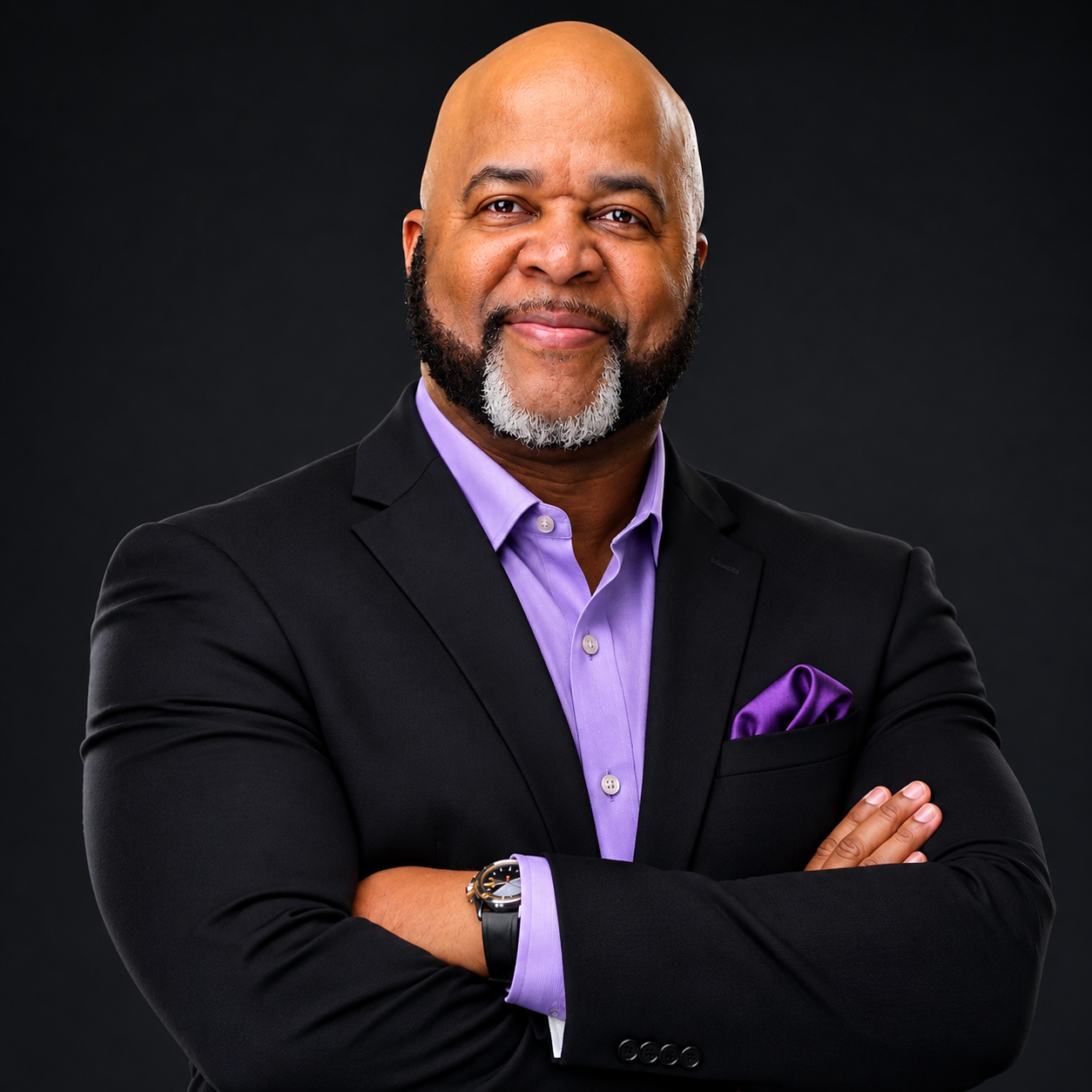
By Mr. Milton L. Collier, freight broker, CEO of Freight Broker 911 and author · Updated
Short answer: you can learn freight brokering for free through Mr. Collier's training at FreightBroker911.com. To broker freight under your own name, you then form a business, get FMCSA broker authority, file a BOC-3, secure a $75,000 bond, and start building shipper and carrier relationships. This guide walks through every step.
What does a freight broker do?
A freight broker connects shippers that need goods moved with trucking companies that have capacity, and earns the difference between the shipper's rate and the carrier's pay.
A freight broker connects shippers who need goods moved with motor carriers who have trucks and drivers. The broker does not own the trucks or the freight. Instead, the broker finds capacity, negotiates the rate, handles paperwork, tracks the load, and makes sure the carrier gets paid. The difference between what the shipper pays and what the carrier is paid is the broker's gross margin.
Good brokers solve problems: a late truck, a missed appointment, a rate that suddenly changes. That problem-solving is why shippers keep coming back, and it is the core skill this training builds.
What is Freight Broker 911 training?
Freight Broker 911 is Milton Collier's freight broker training platform. Start with the free training page for current access and enrollment details, then use this guide to understand the work and costs behind the career.
Freight Broker 911's training page offers five free introductory modules with learning and quizzes. Its full course and Earn While You Learn option are separate pathways with their own costs or agreement terms. This is Mr. Collier's introductory guide; enrollment takes place on the Freight Broker 911 website.
Learn about Milton Collier's logistics background, browse his freight broker books, or watch his Collier TV videos before choosing your next step. Confirm the current schedule, delivery format, eligibility and any optional paid services directly with the provider.
Visit the Free Training PageHow do you choose freight broker training?
Choose training that prepares you to handle a load from first shipper contact through carrier payment. Compare practical exercises, instructor experience, current licensing guidance, support and total cost—not promises of quick income.
- Curriculum: look for shipper prospecting, carrier qualification, rate negotiation, paperwork and payment workflows.
- Practice: ask whether you can work through a sample quote, rate confirmation and delivery problem.
- Format and duration: compare self-paced lessons with scheduled classes and ask how long access lasts.
- Support: confirm what feedback or mentoring is actually included, rather than assuming it is part of enrollment.
- Cost: separate course fees from authority, bond, software and working-capital expenses.
- Outcomes: a certificate is not operating authority, job placement or an income guarantee.
Broker training or freight broker agent training?
Both paths need customer service, pricing, negotiation and carrier-vetting skills. An agent works within an established brokerage's systems and commission agreement. A brokerage owner is also responsible for authority, financial security, contracts and cash flow. Decide which path fits your resources before buying software or filing an application.
Why Mr. Collier offers this training for free
Mr. Collier offers the training free so that cost is never the reason someone misses a career in freight brokering.
Free introductory lessons let you explore the work before committing to a paid course or starting a business. Use that time to decide whether you enjoy the sales, problem-solving and follow-through a freight broker's desk requires.
Giving back
Mentoring at scale for young entrepreneurs and career-changers.
Start with free lessons
Explore the introductory modules before considering paid options.
The next generation
The industry needs new brokers ready to do the work.
Real-world lessons
Drawn from Mr. Collier's books and decades of brokering.
How to become a freight broker in 8 steps
To become a freight broker: get trained, choose agent or own brokerage, form a business, get FMCSA authority, file a BOC-3, secure a $75,000 bond, set up software and insurance, then find shippers and carriers.
- 1
Learn how freight moves
Understand shippers, carriers, rate confirmations, bills of lading, and proof of delivery before you touch a load.
- 2
Choose your path
Start as a freight broker agent under an established brokerage, or open your own brokerage with your own authority.
- 3
Form your business
Register an LLC or corporation, get an EIN, and open a dedicated business bank account.
- 4
Get your broker authority
Apply through the FMCSA Unified Registration System for property broker authority and a USDOT number.
- 5
File your BOC-3 and bond
Designate process agents with a BOC-3 and secure the $75,000 BMC-84 surety bond or BMC-85 trust.
- 6
Set up your tools
Pick a TMS, a load board, a carrier-monitoring service, and a pricing tool such as FreightPricing.AI.
- 7
Win your first shippers
Pick a niche and lane, build a target list, and make consistent, value-led outreach.
- 8
Build a reliable carrier network
Vet every carrier, pay on time, and treat good carriers as long-term partners.
Freight broker licensing: MC authority, BOC-3 and the $75,000 bond
Yes. To broker freight under your own name you need FMCSA broker authority (MC number), a BOC-3 filing, and a $75,000 BMC-84 bond or BMC-85 trust.
To broker freight under your own company, the FMCSA requires:
- Property broker operating authority (MC number) and a USDOT number, applied for through the Unified Registration System. The application fee is $300.
- A BOC-3 filing that names a process agent in every state where you operate.
- Financial security of $75,000 — a BMC-84 surety bond or a BMC-85 trust fund agreement.
- An active authority status before you arrange any loads.
If you work as an agent under an established brokerage, you operate under that brokerage's authority instead. Rules and timelines change, so always confirm current requirements at FMCSA's broker registration requirements before you apply.
How much does freight broker training and startup cost?
The introductory modules are free; other training options have separate terms. FMCSA's application fee is $300, and brokerage startup also requires financial security, tools and working capital.
Starting your own brokerage has real costs beyond introductory training. Plan for:
- FMCSA application fee ($300)
- Bond premium — a yearly percentage of the $75,000 bond, based largely on your credit
- Business formation, EIN, and bank account
- Software: TMS, load board, and carrier monitoring
- Contingent cargo and general liability insurance (often required by shippers)
- Working capital to pay carriers before shippers pay you, or a factoring arrangement
How freight brokers find shippers
Freight brokers find shippers by choosing a niche, building a targeted prospect list, pitching a specific lane they can solve, and following up consistently.
New brokers win by focusing. Pick a niche — a commodity, region, or equipment type — and learn it better than anyone calling the same shippers.
- Build a target list of manufacturers and distributors in your niche.
- Lead with a specific lane or problem you can solve, not a generic pitch.
- Follow up consistently; most wins come after several touches.
- Over-communicate on the first loads to earn the second.
Read more in Mr. Collier's blog for prospecting scripts and lessons from the field.
Vetting carriers and avoiding freight fraud
Avoid fraud by verifying every carrier's authority, insurance, and safety record in FMCSA records and confirming contact details through official sources.
Double brokering and identity theft are real risks. Protect every load with a repeatable process:
- Check the carrier's authority, insurance, and safety record on FMCSA SAFER and L&I.
- Confirm contact details through official records, not the email that contacted you.
- Watch for recently changed phone numbers, emails, or bank details.
- Use a carrier-monitoring service and keep signed carrier agreements on file.
Using AI to price and quote loads
AI helps brokers research market rates, draft quotes faster, and flag risky carriers, while a human broker still approves every price and carrier.
AI is changing how brokers work. Tools like FreightPricing.AI help research market rates, draft quotes faster, and spot lanes worth pursuing. Used well, AI gives a new broker the speed of a veteran desk — but a human should always review prices and carrier choices before committing.
Mr. Collier's book AI Freight Broker: Showing Brokers the Money and his other titles on the Mr. Collier Books page go deeper.
A practical freight broker training exercise: quote one load
Practice collecting the load details, researching a carrier rate, adding a justified margin and explaining the quote to a shipper. Treat every number as an estimate until capacity and service requirements are confirmed.
- Write down origin, destination, pickup and delivery times, commodity, weight, equipment and any special handling.
- Research comparable lanes and check available carriers. Account for empty miles, appointments, fuel and extra services.
- Build a sample shipper quote. For illustration only: a $1,800 shipper rate minus $1,550 carrier pay leaves $250 gross margin, not $250 net profit.
- Use AI to organize the information or draft a quote, then verify every rate and assumption yourself. Do not put confidential customer or carrier details into an unapproved tool.
- Explain what the quote includes, what could change it and how you will update the shipper if the load runs late.
These figures are a practice example, not a current market rate or a promised earning. Software, overhead and other expenses reduce net profit.
What do freight brokers earn?
Freight broker earnings vary by commission split, margins, and freight volume; there is no guaranteed income and most new brokers have a ramp-up period.
Earnings depend on your commission split or margins, freight volume, and how long you stay consistent. There is no guaranteed income, and most brokers have a ramp-up period while they build relationships. The brokers who last treat it as a long-term business, not a quick win.
Freight broker training checklist: skills to build
- How the freight brokering business works — shippers, carriers, and the broker's role
- Getting your freight broker license and meeting FMCSA requirements
- Setting up your operation: authority, bonds, insurance, and software
- Finding shippers, building carrier relationships, and negotiating loads
- Using AI tools for pricing and quoting
- The mindset that separates brokers who last from brokers who quit
Frequently asked questions
Is the freight broker training really free?
Freight Broker 911's training page offers five introductory modules free. The full course and Earn While You Learn option have separate pricing or agreement terms. Check the current provider page before enrolling; free introductory training does not cover licensing, bond, software, or operating costs.
Can I become a freight broker with no experience?
Yes. Many brokers start with no logistics background. Training, a mentor, and starting as an agent under an established brokerage are the fastest ways to learn without carrying all the risk yourself.
Do I need a license to be a freight broker?
To arrange freight for compensation under your own name you need FMCSA property broker authority (an MC number), a BOC-3 filing, and a $75,000 BMC-84 bond or BMC-85 trust. Agents working under a licensed brokerage use that brokerage's authority. Always verify current rules at fmcsa.dot.gov.
How long does it take to become a freight broker?
Training length depends on the provider, format, and time you devote to practice. Check Freight Broker 911's current training page for its schedule and access details. Training completion and FMCSA authority approval are separate; check your application status directly with FMCSA.
How much does it cost to start a freight brokerage?
The FMCSA application fee is $300. Beyond that, budget for the bond premium, business formation, software, insurance, and enough working capital to pay carriers before shippers pay you. Amounts vary by credit and setup.
How much do freight brokers make?
Income depends on commission split, freight volume, margins, and experience. There is no guaranteed income. New brokers should plan for a ramp-up period while they build shippers and carriers.
How can AI help a new freight broker?
AI tools can speed up rate research, draft quotes, summarize lane history, and flag carrier risk. A human broker should always review pricing and carrier decisions before committing.
What is the difference between a freight broker and a freight broker agent?
A freight broker holds their own FMCSA authority, bond, and carrier and shipper contracts. A freight broker agent works under a licensed brokerage's authority and splits commission with it, which lowers startup cost and risk.
What is a BOC-3 filing?
A BOC-3 is an FMCSA form that designates a process agent in each state where you operate, so legal documents can be served on your company. Brokers must have one on file before their authority becomes active.
Can I be a freight broker from home?
Yes. Many brokers and agents work from a home office with a phone, computer, load board, and transportation management software. Check local business rules and your brokerage agreement if you work as an agent.
How do freight brokers find their first shippers?
Pick a niche, build a target list of manufacturers and distributors, lead with a specific lane or problem you can solve, and follow up consistently. Most first customers come after several contacts, not one call.
What is Freight Broker 911?
Freight Broker 911 is Milton Collier's freight broker training platform. This guide explains the skills and business decisions beginners need to understand; visit FreightBroker911.com/free-training/ for current enrollment details.
Is freight broker training worth it?
Training can be useful when it teaches practical shipper outreach, carrier checks, load paperwork, and pricing rather than only terminology. Compare the curriculum, instructor experience, support, and total cost. A course alone does not provide broker authority, customers, or guaranteed income.
Does a freight broker training certificate replace an FMCSA license?
No. A course completion certificate is not FMCSA broker operating authority. To operate your own property brokerage, meet FMCSA's authority, process-agent, and financial-security requirements. An agent works under an established brokerage's authority and agreement.
How do freight brokers avoid double brokering and fraud?
Verify every carrier's authority, insurance, and safety record through FMCSA records, confirm contact details through official sources, watch for recently changed phone, email, or bank details, and keep signed carrier agreements on file.
Ready to start?
Enroll in the free freight broker training, or connect with Mr. Collier.
Explore Freight Broker 911 Training